
VR Bayesian Network – Spatial Concept and Usability Study
Research, Analysis & Implemented by: Omar Mostafa (2026)
Skills used: Software engineering, Observational analysis, Thematic analysis, HCI analysis, Regulated Environment study, 3D modelling, 3D Animation, Model Rigging, Shader design, Lightmap manipulation, Multiplayer Networking, Hardware debugging,
Tools used: C#, Python, Unity game engine, Netcode for GameObjects, Umodeler, Shadergraph, MetaSDK, Streamlit, Miro, Linux.
Part of the VR tumour board Master thesis involved incorporating AI-based decision support from current literature and exploring concepts that would be compliant with the extracted design principles and utilizable by the clinicians.
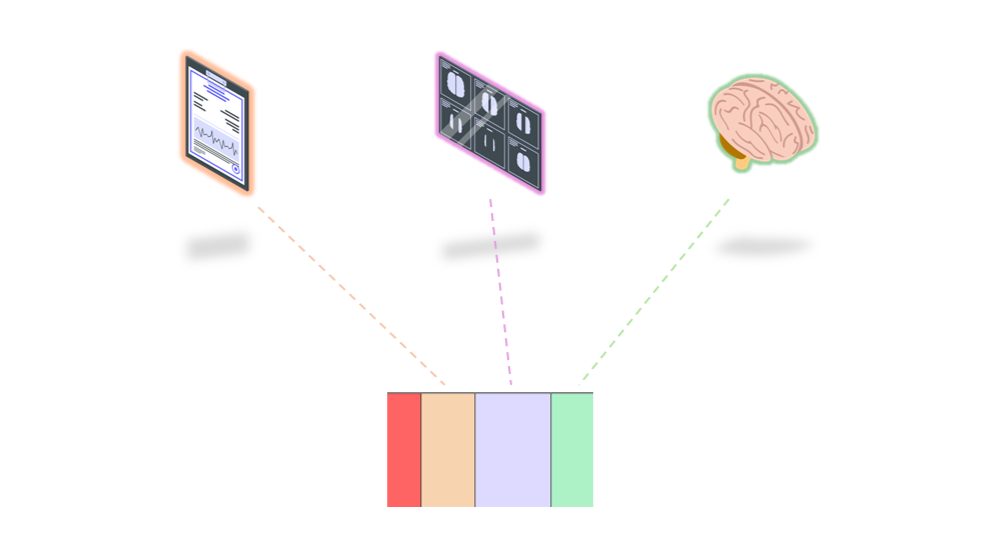
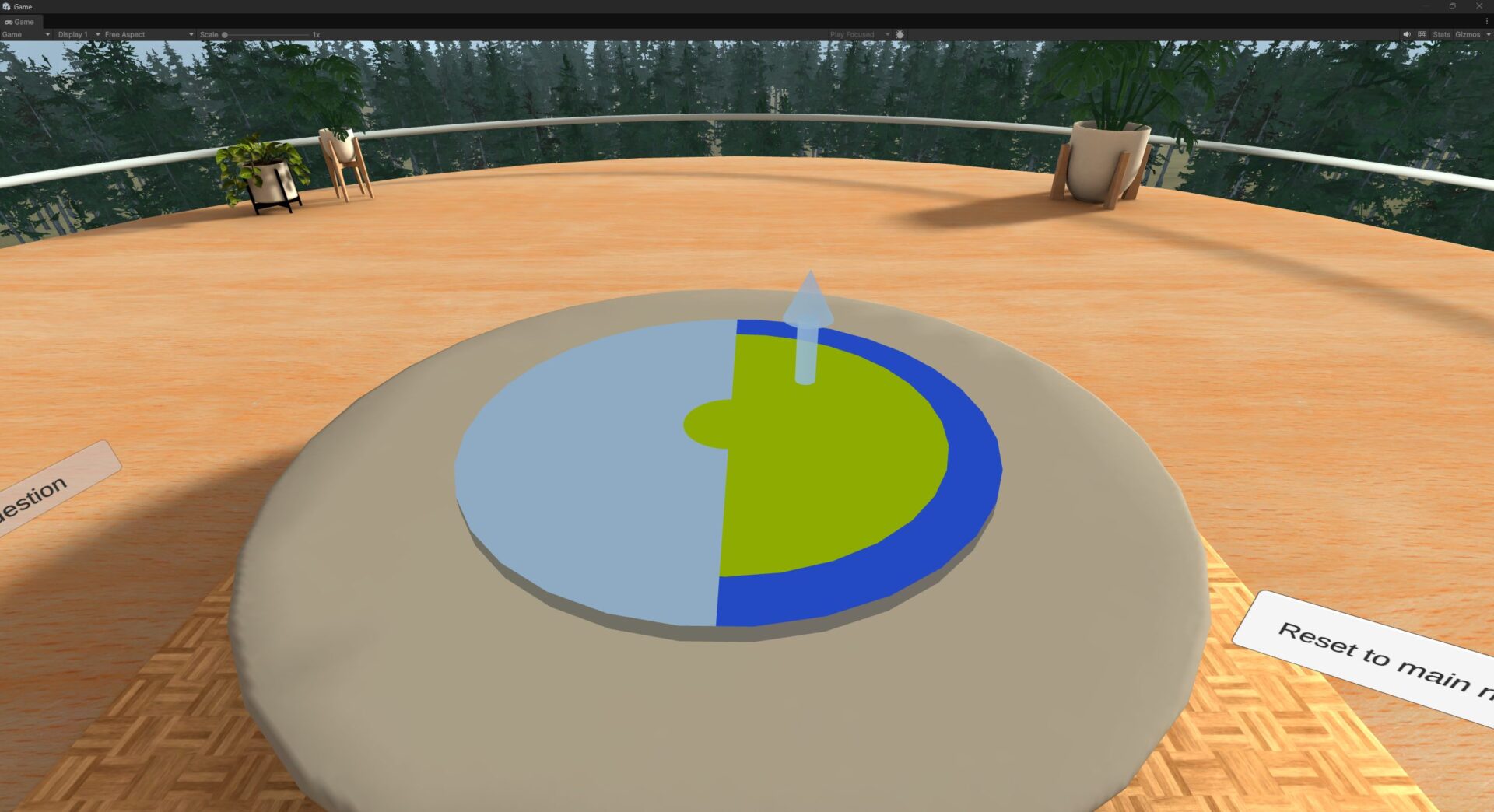
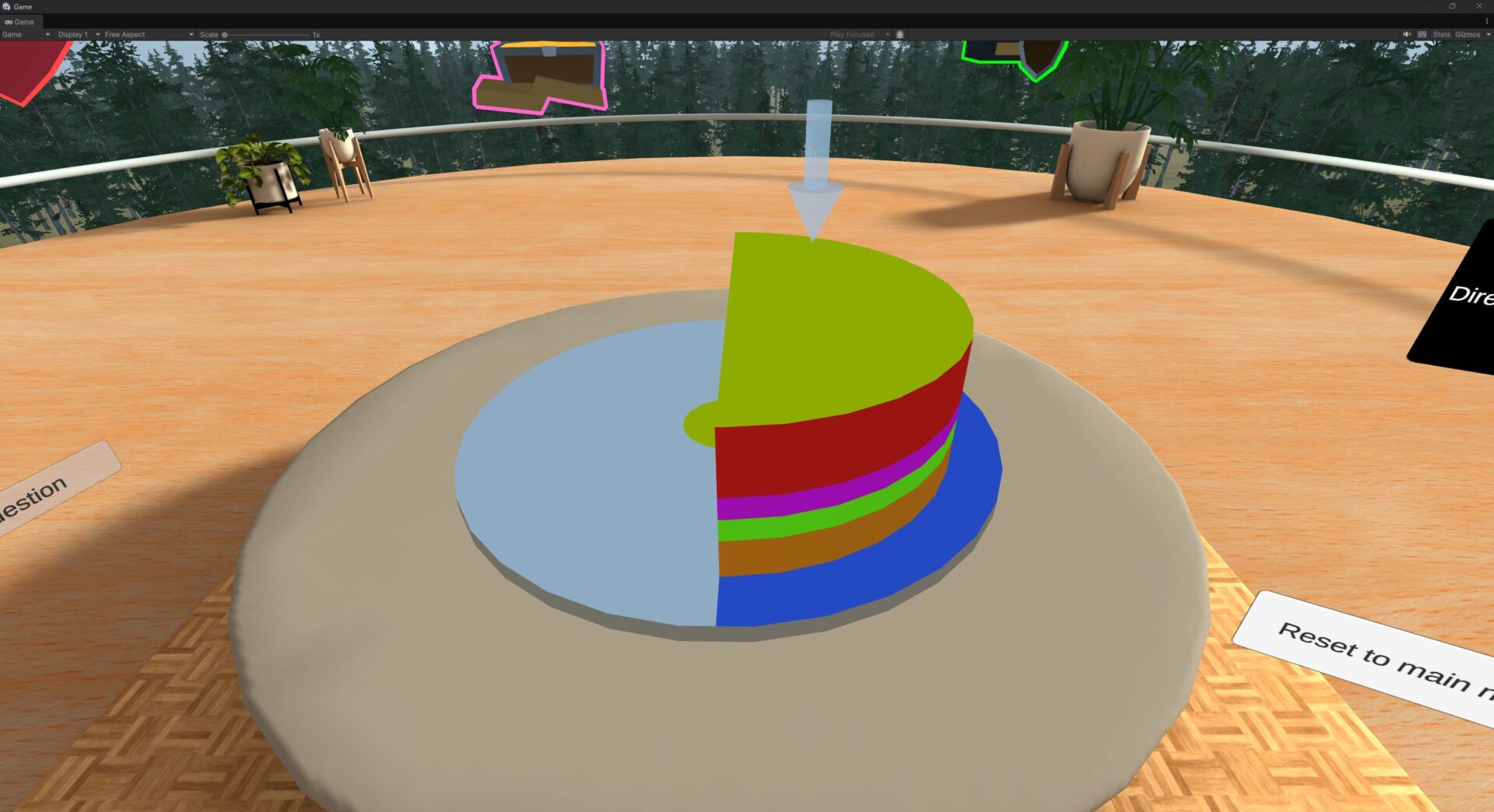
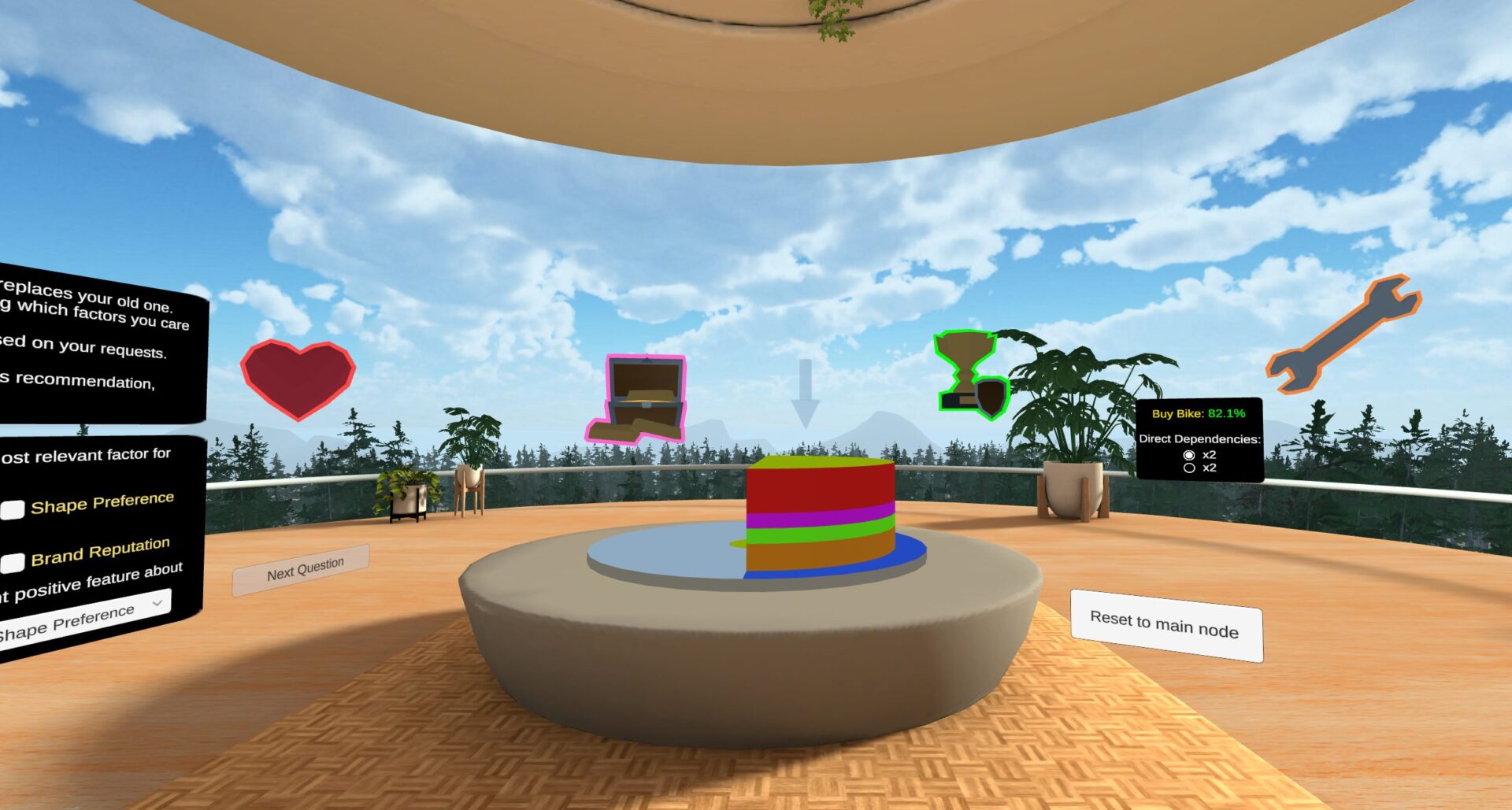
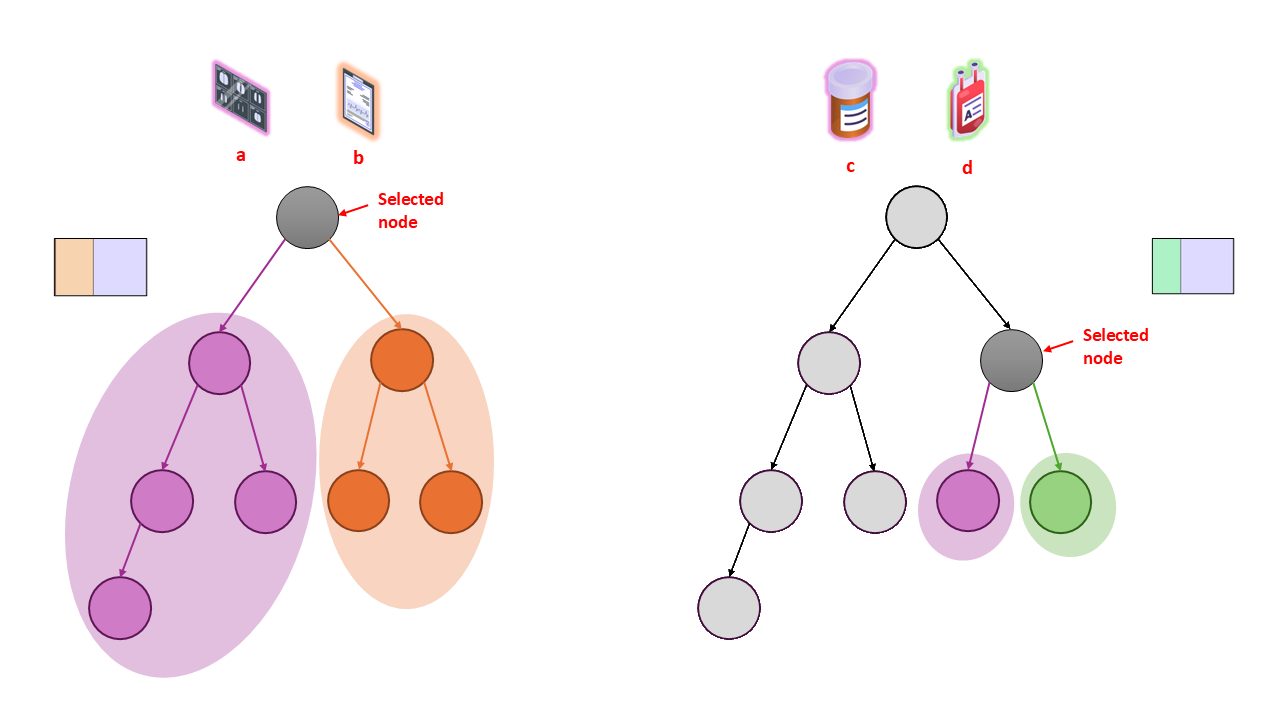
The spatial Bayesian network concept is builds upon current literature sources and attempts to explore usability of the spatial virtual space by combining functionality relevant 3D elements and connecting them through colors with their associated data types.
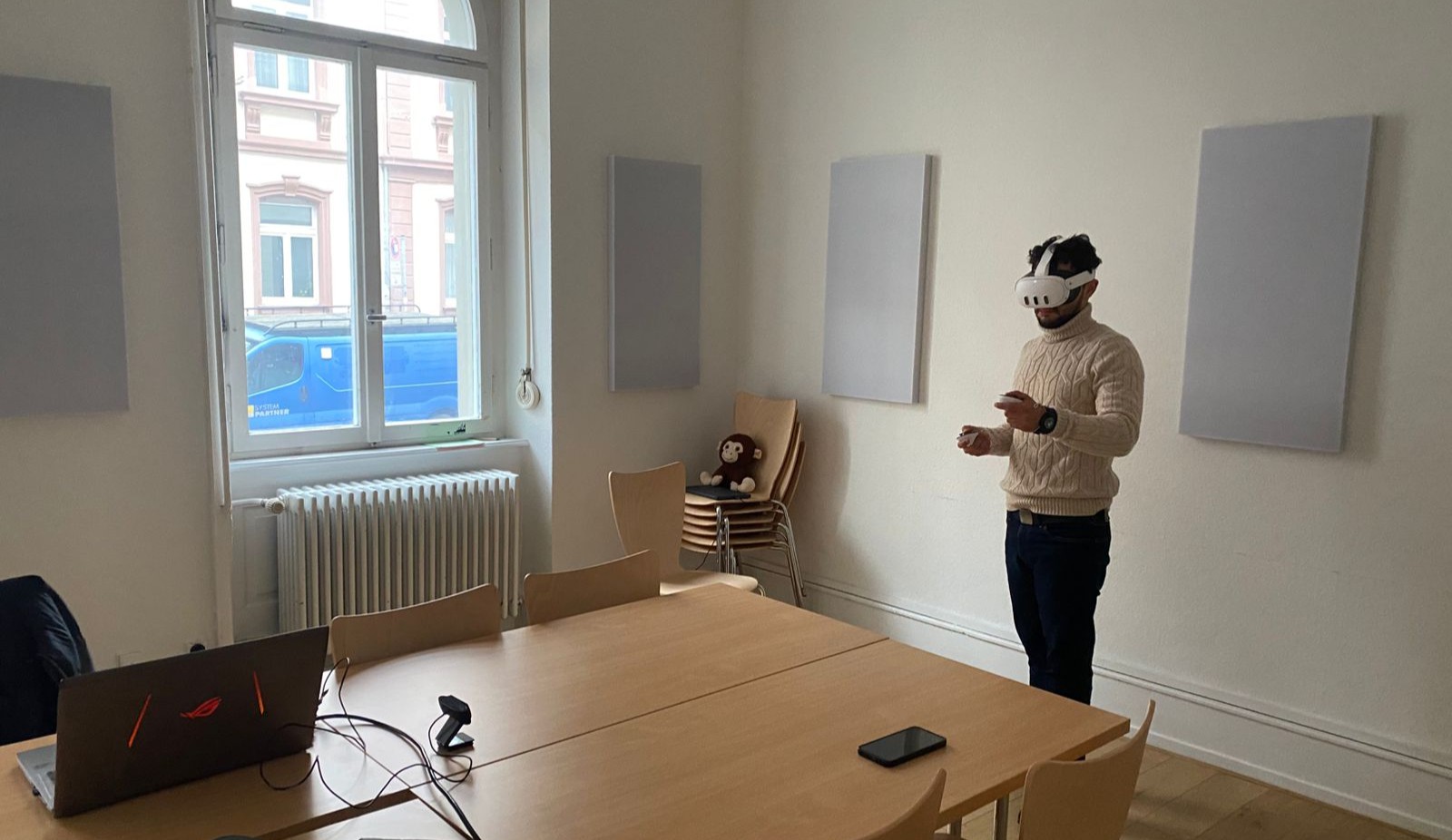
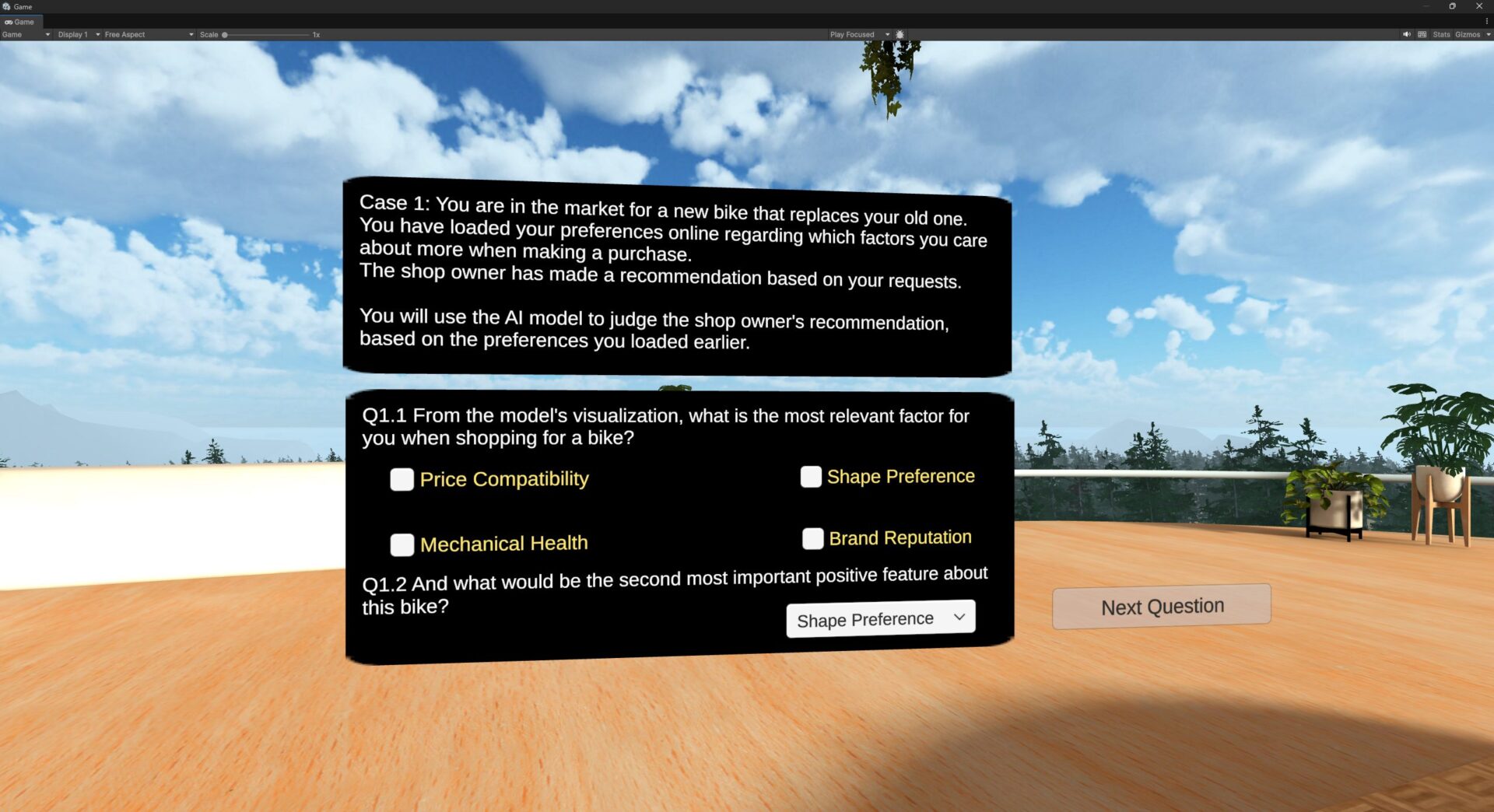
The final proof of concept was tested in a non-clinical usability study and the experiment was adapted to suit the background of the testers. The results from the usability study informed further development of the concept and revealed usability gaps that would have hindered clinicians from using the tool effectivley in the tumour board setting.